Popular Products


 This Months Selected Manufacturer, Wholesaler,

Exporter and Service Provider

Featured Manufacturer

tachtech

Tacttech Apparel

Since 2013
Quezon City
5 Items Posted

Featured Manufacturer

ac paras

AC Paras Lantern Handicrafts
Since 1999
Pampanga
11 Items Posted

Featured Importers

Featured Importer

unk

Uber & Konstruct Enterprise Inc.
Since 2014
Quezon City
14 Items Posted

Featured Importer

rhajtek

Rhajtek-lino International Corporation
Since 1994
Quezon City
10 Items Posted

Join Manufacturers, Wholesalers and Suppliers in B2B Philippines

Mayari.com.ph is an ONLINE PRODUCT SOURCING SITE designed to help Philippine Manufacturers, Wholesalers, Exporters and Suppliers get qualified buyers and purchasers worldwide. Mayari.com.ph also helps qualified buyers search for verified Filipino Manufacturers, wholesalers, supplier/vendor, importer, exporter,and distributors by providing them an easy to use search and communication system.Membership is free and open to all . Registration is a breeze. If your having trouble we can even provide an account specialist to assist you in creating you account. To protect users and buyers we are displaying suppliers and their respective products with supplier verification badges. The supplier has an option to bepresented as verified supplier or unverified supplier. At the moment verification is free to all supplier applicants. It is our task to ensure that qualified buyers are aware of who is legal and trust worthy among suppliers

For Manufacturers/Wholesalers ,mayari.com.ph is a web portal that will provide free online marketing, internet marketing and online promotions, limited only to Filipino manufacturers and Filipino made products. To encourage investors to outsource from the Philippines and most specially to convince them that it is always safe to do business in the Philippines, we have instituted our own verification and accreditation process. Our accreditation process has levels and procedures. Once approved you shall enjoy free marketing and promotions online. You shall also have your own website, Online messaging system, you own dashboard, reports for sales, stocks statistics with charts and graphs and a lot more. For you to be approved or accredited we shall require legal documents such as your SEC / DTI registration or Permit to operate for us to verify. Again, our accreditation and verification is simple and free. Verification is essential for us and for you to attract foreign investors and even local buyers.


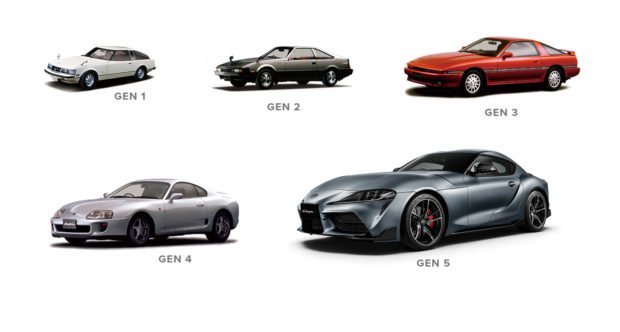
Top automotive manufacturer Toyota Motor Philippines (TMP) has officially launched in the country its flagship sports car, the All-New Toyota GR Supra. Following a special teaser at the Vios Racing Festival, the new model was unveiled in a launch event in Makati City attended by TMP’s premium customers and prospective clients, Toyota dealer management, and guests from the media.

The All-New Toyota GR Supra, otherwise known as the A90 or Mk. V, is the first-ever Toyota Supra to be retailed in the Philippines. TMP is making history by having the much-anticipated model locally available through sixteen (16) of its certified GR Performance dealerships nationwide.

“Bringing the legendary Supra here is something we have always wanted to do, and we are positive that there are countless Toyota fans out there who share the same enthusiasm,” said TMP First Vice President Ms. Cristina Arevalo. “The Supra, above and beyond, embodies Toyota’s pledge of making ever-better cars.”

FORGED BY THE WORLD

Following a 17-year hiatus, the legendary Supra makes a comeback and takes the motoring world by storm upon its international debut in Detroit, USA. Now on its fifth generation, the new Supra is the first global Toyota Gazoo Racing model, with all units being manufactured at the Magna Steyr plant in Graz, Austria. Toyota Gazoo Racing, or GR, is Toyota’s performance development arm which aims to produce ever-better cars through motorsports. The GR Supra is the culmination of Toyota’s racing expertise.

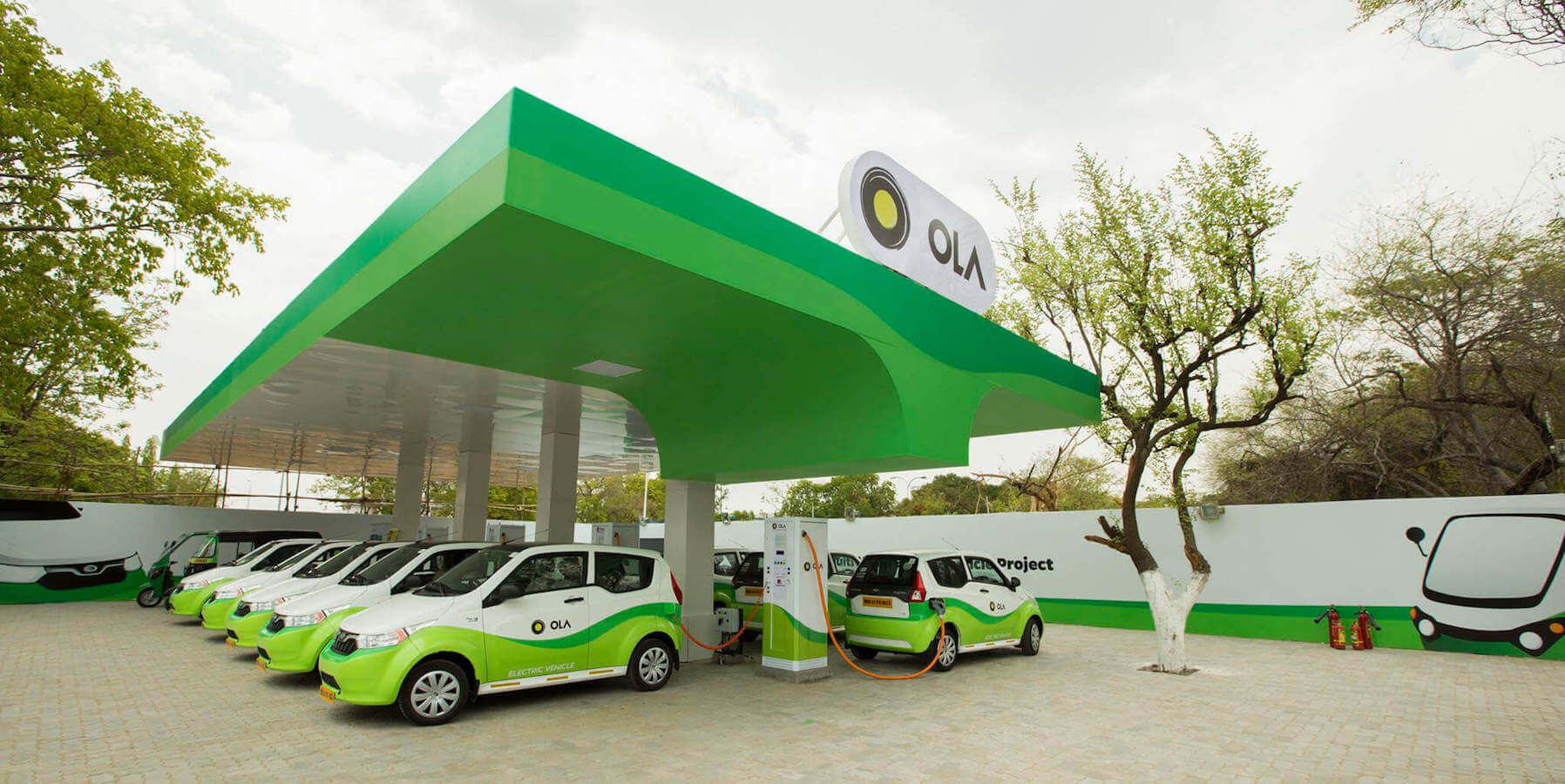
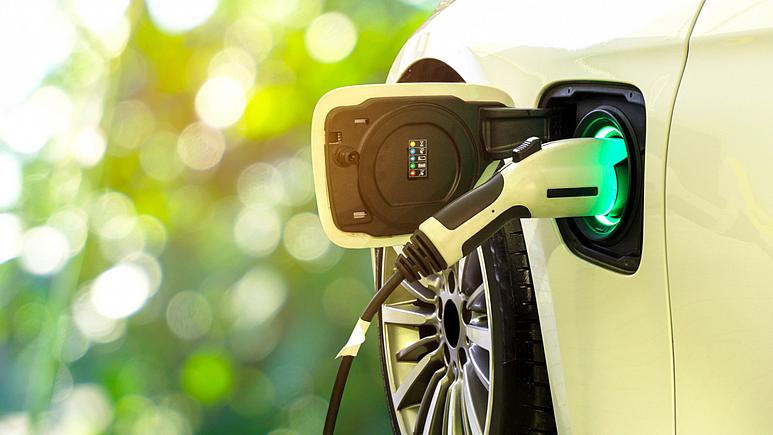
Interest in electric vehicles (EVs) is getting super hot in India. Having missed out on building its own manufacturing base for solar PV, India seems conscious about not missing the EV opportunity, especially for lithium-ion battery manufacturing (LIB).
Through programs like “Make in India” and by providing special manufacturing zones with infrastructure, connectivity, and cheap power, the country is trying to woo corporates to invest in lithium-ion (Li-ion) battery manufacturing.
How EVs Can Benefit India
If you have been following the developments in EVs, you know that the sector has been expanding at breakneck speed across the globe.
As we speak, in Norway, 60% of all cars sold are either plug-in hybrids or electrics. Denmark has already declared full conversion to electric vehicles by 2025. Meanwhile, in China, sales have grown three-fold over the last year!
EVs are poised to play a significant role in meeting India’s mobility needs, thereby reducing the country’s massive oil import bills.
As per an analysis by the NITI Aayog (National Institution for Transforming India), a policy think tank of Government of India, the country can save over 60% of the anticipated road-based passenger mobility-related energy demand in 2030 by pursuing a shared, electric, and connected mobility future. This would potentially help reduce more than 35% of the carbon emissions from the sector.
At an estimate of $52 per barrel of crude, this would imply a net annual savings of about $60 billion (in 2030).
But Why Focus On Batteries?
That’s easy. It is all about reducing the cost of EVs.
If one looks at the cost breakout of an EV, Li-ion batteries take the biggest chunk. Incentivizing domestic manufacturing of batteries would reduce the overall price of EVs. This in turn would create demand and help accelerate EV adoption.
It is interesting to look at the battery manufacturing stages from a value generation (costs) perspective. The battery chemicals have a value of about 35–40% of the total cost of the battery pack. Cell manufacturing takes 25–30% of the pie. Lastly, cell-to-battery-pack manufacturing leads to value addition of 30–40%.
Among these, currently, India only has cell-to-pack manufacturing (assembly) plants totaling 1 GWh of annual production capacity. The existing OEMs are importing batteries from China, Taiwan, and Korea.
A news article by Firstpost claims that Li-ion battery costs can be reduced by up to 80% if there are bulk orders in larger volumes. It is estimated that India needs a minimum of 10 GWh of cells by 2022, which would need to be expanded to about 50 GWh by 2025. An analysis by C-STEP agrees that at a scale of 50 GWh manufacturing capacity, the cost of a battery is expected to be competitive with global costs.
Just to provide a perspective, China is already planning to have 630 GWh of annual battery production capacity online by 2023.
EV Incentives For Consumers & Manufacturers
The Indian government in its recent budget doled out a slew of benefits to both attract investments into battery manufacturing and also to push the sale of EVs.
The GST rates on EVs have been reduced from 12% to 5%. Additionally, an income tax deduction of ₹150,000 (~$2,200) would be allowed on the interest paid on loans taken to purchase electric vehicles. For manufacturers, government has proposed a custom duty exemption on import of specific components.
This is in addition to ₹100 billion (~$1.5 billion) allocated for EVs under the “Faster Adoption and Manufacturing of Electric Vehicles (FAME II)” scheme, which includes solar storage batteries and charging infrastructure, among other things.
The government is expected to issue tenders inviting companies to set up 50 GWh of Li-ion battery manufacturing in India. This is expected to require $50 billion in investments. A number of state governments are also trying to attract corporates by announcing packaged benefits.
DNA quoted the Managing Director of the Dholera Industrial City Development Limited (Dholera, Gujarat) that the project can offer large land parcels along with cheap electricity, connectivity, and other infrastructure benefits which would be ideal for high-technology and mass production facilities.
Telangana, on the other hand, is pitching a 5 GWh Li-ion battery plant by announcing the availability of 200 acres of land plus power and water for the manufacturing unit at a concessional rate.
Companies In The Foray For Li-ion Battery Manufacturing
A number of corporates have announced their interests publicly to enter into Li-ion battery manufacturing to gain the first-mover advantage in the Indian ecosystem.
Tata Chemicals
Tata Chemicals, part of the Tata Group, has already made an announcement to set up a Li-ion battery unit in Dholera. The company has procured 126 acres of land and will make an investment of ₹40 billion (~$600 million). The plant will start with a capacity of 10 GWh and is later expected to be scaled up to 50 GWh.
Tata Chemicals had earlier entered into a non-exclusive MoU with the Vikram Sarabhai Space Centre of the Indian Space Research Organisation (ISRO) for transfer of the latter’s Li-ion cell technology. ISRO has been using in-house Li-ion batteries to power its satellites and launch vehicles
For sourcing lithium, the company is reportedly looking at business opportunities related to the exploration and import of lithium from Bolivia.
Suzuki Motor Corporation & Toyota Motor Corporation
Japan’s Suzuki Motor Corporation will be setting up a Li-ion battery manufacturing unit in Gujarat. The factory will be built at an investment of $180 million in Hansalpur near Ahmedabad.
The lithium-ion plant is being set up in partnership with Denso (a Toyota unit) and Toshiba and is expected to start production by 2020.
Bharat Heavy Electricals Limited
Bharat Heavy Electricals Limited (BHEL) and Australia-based Libcoin are in a “commercial in confidence” level discussion to build a 1 GWh Li-ion battery plant in India. The (yet to materialize) consortium expects the capacity to be scaled up to 30 GWh in due course.
The developments are a part of BHEL’s diversification initiative to expand in the e-mobility business. The company is also forayed into manufacturing of EV chargers, electric buses, and related components.
BHEL’s partner LIBCOIN is a consortium comprising Magnis Energy, Duggal Family Trust and Charge CCCV(C4V) with a vision to build large lithium-ion battery plants globally.
Adani Group
Adani Group, an integrated infrastructure conglomerate, announced during the Vibrant Gujarat Summit 2019 that it would invest into an “integrated lithium battery manufacturing complex” in Gujarat. The company already owns solar PV manufacturing assets in the region.
Others
The automobile major Mahindra has also indicated that it is open to partnership with a global player keen on setting up a lithium-ion cell manufacturing operations in India. Sometime back, the company had entered into a partnership with LG Chem to develop lithium-ion batteries.
Hyundai, which recently launched its Kona Electric SUV in India, says that it will get into manufacturing only if there is an economy of scale advantage.
Hero MotoCorp, the world’s largest producer of two-wheelers, is said to be evaluating an investment to set up battery pack assembly in India for its brand Hero Electric, so as to localize the components. But nothing has been finalized as yet.
Other Developments In EVs In India
Earlier this year in May, NITI Aayog and some other ministries were reportedly working on a proposal to ban two-wheelers with less than 150cc internal combustion engines, and three-wheelers by 2025 and 2023, respectively. Expectedly, fossil fuel-powered vehicle manufacturers and suppliers have been lobbying for an extension of this deadline on the account of their investments for upgrading to BS-VI emission norms (based on Euro 6 emission standards).
With an eye on the future, however, several Indian firms have also been exploring mining opportunities in Bolivia, which has the largest reserves of lithium.
For now, a large number of the projects in lithium-ion battery manufacturing seem to be coming up in Gujarat. Recently, Gujarat also crossed an installed capacity of 6,200 MW and 2,500 MW in wind and solar energy, respectively. To incentivize its residents, the state has announced a mega program to subsidize 600 MW of rooftop solar systems for its residents.

The city of Kutaisi in Georgia hopes to put itself at the forefront of global automobile production with the opening of an electric car factory that plans to produce 40,000 vehicles a year.

A construction memorandum was signed in May by the Georgian industrial holding AiGroup and Changan, a Chinese state-owned vehicle manufacturer. The Changan corporation is the largest electric car manufacturer in the world, and has partnerships with Ford, Volkswagen, Volvo, Mazda and Suzuki.

Georgia’s Prime Minister, Mamuka Bakhtadze, is enthusiastic about the project: “This factory will open a new chapter in our economic history. It will have a very positive influence on our economic structure, by creating more than 2,000 jobs and – at the same time – will help us to increase our export potential.”

The plant will be the first of its kind not only in Georgia but the entire South Caucasus region, and will sit on 100 hectares of land on the outskirts of Kutaisi. In addition to the manufacturing plant, it will comprise facilities for painting, welding and the construction of solar panels.

Initially the factory will contract 300 workers, with a view to producing 5,000 cars in the first 18 months. This will increase over time, with future plans to provide 20,000 cars to the domestic market and export another 20,000 to the European Union.

The green economy
The AiGroup is groundbreaking in the region for its environmentally friendly initiatives, and its various arms – AiCar, AiEnergy, AiPower and AiProduction – are responsible for, respectively, car sharing; charging stations; solar panels and power stations; and electric vehicles.

This focus on green projects has won the group a lot of support in the region, along with partial state-funding for the Kutaisi factory. The Prime Minister emphasised that “The green economy concept will be a driving force of the national economy,” while Minister of the Economy Natia Turnava said “The project is unique for us, and makes Georgia a pioneer in the region in terms of production of eco-friendly green technologies and electric vehicles.”

She also spoke of Georgia’s wish to replace its car fleet over time with these new and environmentally friendly cars, which will be rolled out in tandem with an expanded car-sharing service and further installation of solar-powered charging points around the country.

Georgia on the world stage
Post-Soviet Georgia identifies very strongly as European, and has long had accession ambitions with regard to the European Union. With this in mind, production standards at the new factory will closely correspond to EU regulations.

Since 2014, the existence of an Association Agreement with the EU has meant closer bonds between Georgia and the member countries, with a pact on free trade. Positioned on the Black Sea between Russia and Turkey, the country is regarded as strategically useful as a gateway to Asia.

It has also, in recent years, become popular as a tourist destination, with more and more westerners discovering the country’s green mountain ranges, warm and welcoming people, superb food and wine, and a wealth of architectural styles spanning several centuries.

Low-cost international flights into Kutaisi’s airport have put the city firmly on the tourist map, as has the Gelati monastery, founded in 1106 and now a UNESCO World Heritage Site, and the 11th-century Bagrati cathedral. A large and vibrant food market is another major attraction for visitors, while just outside the city is the Prometheus cave, an extensive underground karst complex with 22 halls.

Kutaisi’s automobile heritage
The roots of the new Kutaisi factory were planted several decades ago, when the city was home to the Soviet Union’s first ever car manufacturing plant. Construction started on the factory in 1945, with the first truck, the ZIS-150, created in 1951.

The production of the AiGroup’s electric vehicles will mark a welcome return to the industry, honouring the local heritage with a superior product. Design plans for the first four models to come off the line were conceived by award-winning industrial designer Zviad Tsikolia, and while these are expected to become the best-selling of Georgia’s exports, they have also been developed to be affordable to local residents.

For Natia Turnava this is a rebirth of which the city can be proud: “Kutaisi is famous for its industrial traditions. By implementing this project Kutaisi will regain the status of a machine-building capital.”

Read more: https://www.euronews.com/…/georgia-s-eu-bid-stepped-up-with…


Subcategories